2025-11-24 10:05:53
Reclaimed Teak vs New Teak A Project Managers Guide to Specification
In design and procurement, few materials command as much respect as teak wood. Known for its strength, natural oils, and timeless beauty, teak has become the gold standard in high-end furniture and architectural applications. Yet, for many project managers, the real challenge lies in choosing between reclaimed teak and new teak. This decision doesn’t just affect aesthetics — it influences structural performance, sourcing logistics, and long-term value. Understanding these nuances is key to making the right specification choice for your next project.
Aesthetic Consistency: Uniform Grain (New) vs. High Character (Reclaimed)
When it comes to appearance, reclaimed and new teak offer distinctly different personalities. New teak provides a clean, uniform grain and a consistent tone, ideal for modern or minimalist projects that prioritize visual harmony. Reclaimed teak, however, tells a story — with visible nail marks, varied tones, and a rich patina that reflects its previous life in old structures. The choice ultimately depends on your design vision: whether you aim for sleek modernity or a warm, rustic aesthetic that adds depth and authenticity to the space.
Structural Integrity and Density: Is Reclaimed Teak Stronger?
Many professionals question whether reclaimed teak truly outperforms new teak in strength and durability. In most cases, reclaimed teak — often salvaged from decades-old buildings — has naturally aged and become denser over time. This enhanced density gives it superior resistance to warping, cracking, and harsh weather conditions. While new plantation teak is still strong and reliable, reclaimed teak’s maturity often gives it a slight edge in projects exposed to demanding environments or where long-term resilience is a top priority.
Finishing Differences: How Each Type Absorbs Oils and Stains
Finishing plays a critical role in both appearance and protection. Because reclaimed teak has aged and dried for years, it tends to absorb oils and stains differently compared to freshly harvested teak. This means refinishing reclaimed wood requires careful application to achieve even coverage and color consistency. On the other hand, new teak—with its higher natural oil content—accepts finishes more uniformly, resulting in a polished and refined look. Understanding how each reacts to finishing treatments ensures your final product maintains both beauty and longevity.
Sourcing for Large Projects: The Challenge of Batch Consistency
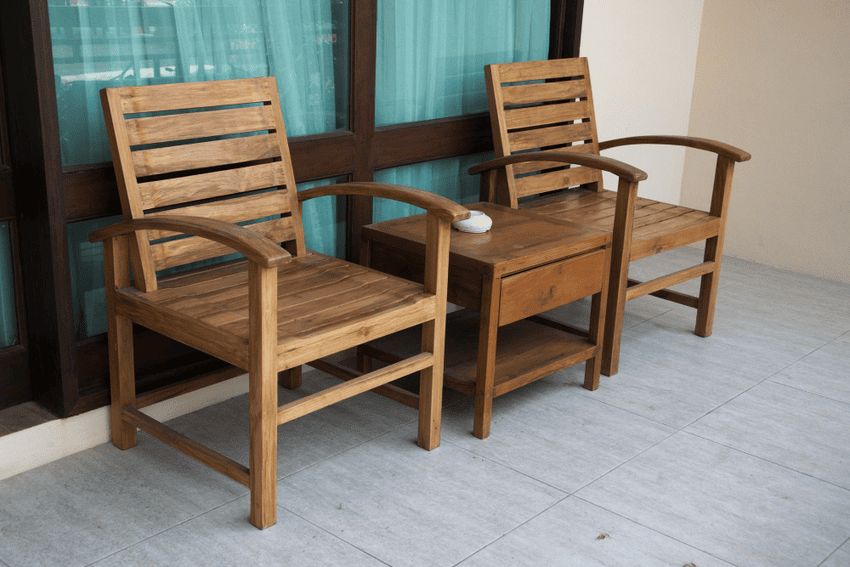
Consistency in tone, grain, and quality is crucial in large-scale developments such as hotels, resorts, or office complexes. New teak offers greater reliability in batch consistency since it’s sourced from controlled plantations where grading and tone can be standardized. Reclaimed teak, sourced from multiple origins, can vary significantly in appearance. To overcome this, project managers often collaborate with specialized suppliers who pre-sort and grade reclaimed teak to maintain a uniform aesthetic across multiple pieces. Planning ahead with experienced vendors ensures your project stays visually cohesive without sacrificing the unique charm of reclaimed material.
Cost vs. Long-Term Value: A Specification Breakdown
At first glance, reclaimed teak might seem more expensive due to its rarity and the labor-intensive process of recovery and preparation. However, its durability and historical appeal often translate into long-term value. Reclaimed teak’s rich narrative adds prestige and sustainability credentials to a project—qualities that clients increasingly appreciate. New teak, meanwhile, remains cost-effective for projects demanding large, consistent quantities and faster procurement. In essence, reclaimed teak is an investment in uniqueness and storytelling, while new teak delivers efficiency and scalability. Both have their place, depending on project goals and client priorities.
Conclusion
Choosing between reclaimed and new teak is more than a matter of taste — it’s a strategic decision that balances aesthetics, performance, and practicality. Reclaimed teak brings heritage and sustainability, while new teak ensures consistency and efficiency. By understanding how each type aligns with your project’s scope and intent, you can specify materials with confidence, ensuring results that are both beautiful and enduring.
Explore Our New Teak and Reclaimed Teak Collections
Ready to specify teak furniture that combines craftsmanship, durability, and timeless design? Kusuma Furniture offers a complete range of new and reclaimed teak furniture collections such as benches, fixed tables or folding tables,until loungers tailored to meet the needs of architects, designers, and project managers. Elevate your next project with teak furniture that blends performance and prestige.